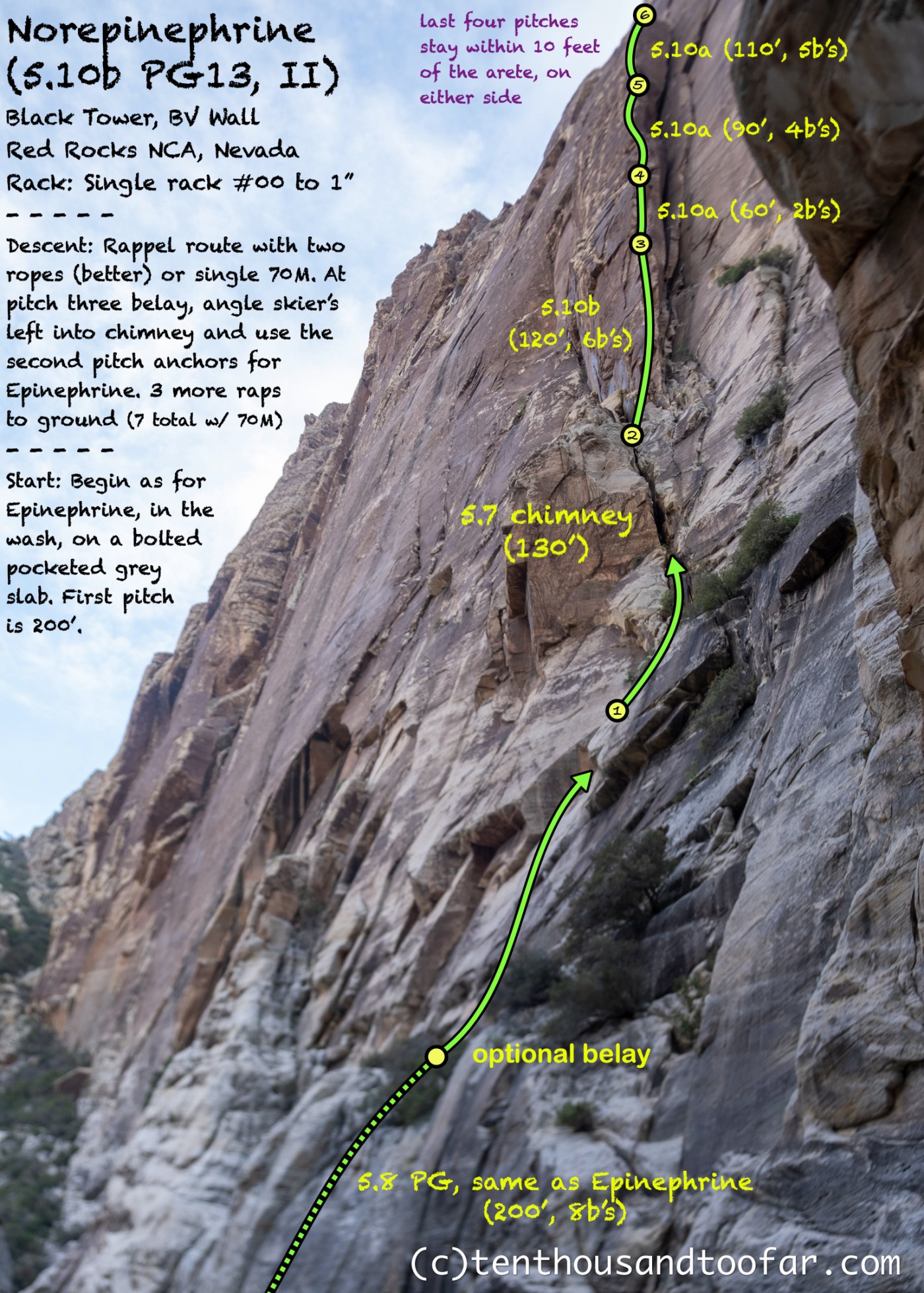
Norepinephrine is a five pitch variation to North America’s most popular 5.9, Epinephrine. The last four pitches, all 5.10, stalk the brilliantly exposed arete left of the Epinephrine chimneys with a spectacularly diverse allotment of climbing – roof pulls, steep face climbing, slippery mantles and even a few splitter cracks, with just enough bolts to keep the climbing exciting, but rarely dangerous.
Bobbi and I found ourselves on an every other day climbing schedule this short six day Red Rocks stint. We intended to climb more, but last minute work errands before our March 31st start demanded attention. For our final outing we wanted to up the ante with a longer 5.10 on the Black Velvet Wall. Our first choice was Dream of Wild Turkeys, but much like the day we ended up doing Rock Warrior, Turkeys was overrun by four parties. Yes, four parties. Having already climbed Refried Brains, Rock Warrior and Sour Mash, which represent the bulk of Black Velvet’s sub-5.11 terrain, we were stumped. It was too late to quest up Epinephrine, and Fiddler On The Roof has a serious 5.10+ traverse that seemed a little testy for first 5.10 of the year. Then I remembered one last route hiding on the far margin of the wall, with an underground reputation as a lesser known classic – Norepinephrine. At 5.10b, with four straight pitches of 5.10, it offered the perfect challenge.
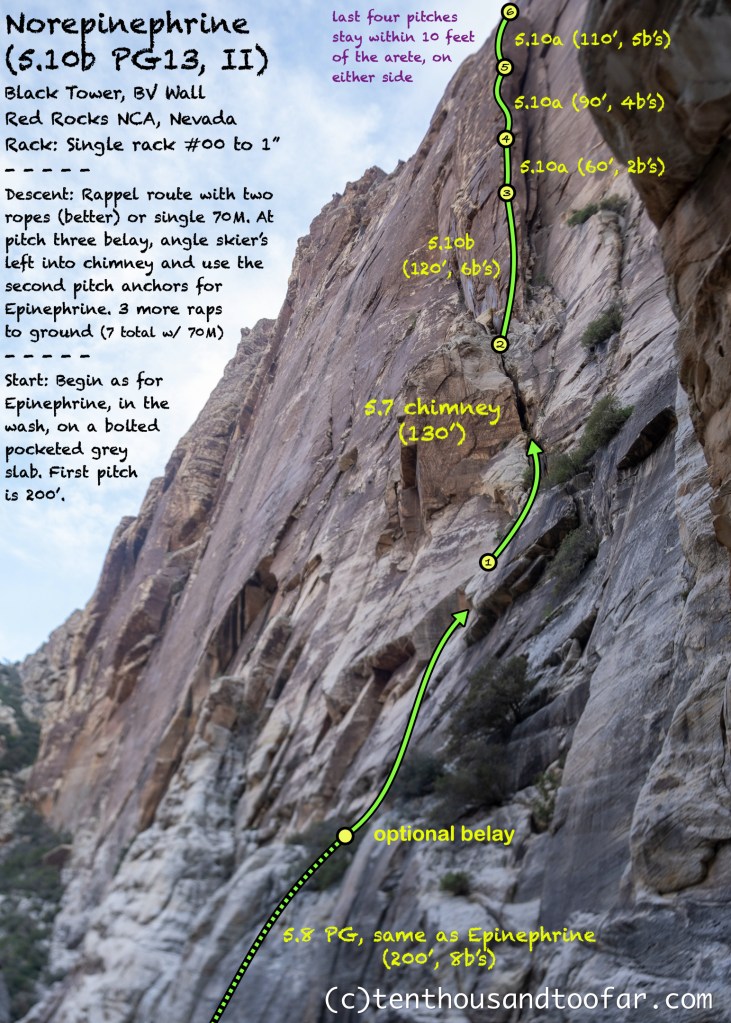
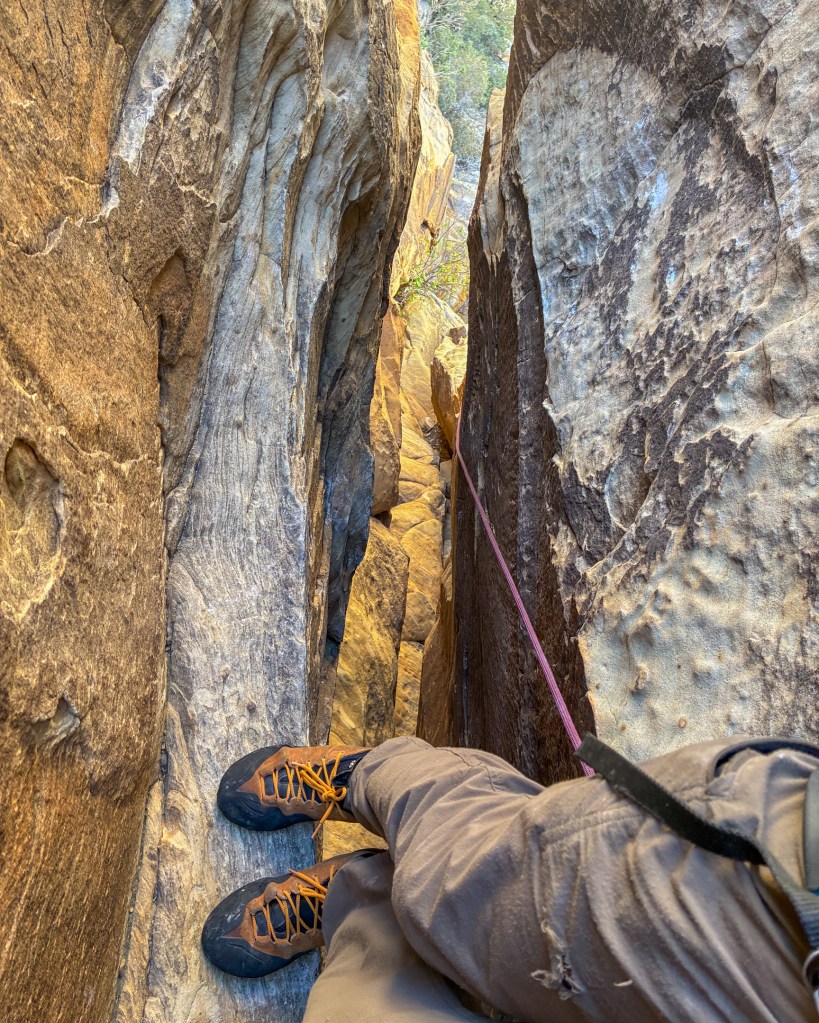
The first pitch is shared with Epinephrine, a 200 foot winding 5.8 slab protected by eight or nine bolts and the occasional bit of gear. From here, the perpetually chalked line of Epinephrine face holds veer right while Norepinephrine continues directly into a deep, dark and intimidating 5.7 chimney. I found no protection aside from a pair of finger sized cams in a lone flaring flake, but also wasn’t really looking. Unlike the overwhelming majority of wide cracks, this chasm was true to grade and squeaky clean, a secure and enjoyable delight. Above the chimney Norepinephrine’s color reveals itself – a bold, steep and jet black arete spackled with varnish crimps and the occasional sinewy crack, stretching to the top of the “Black Tower”. While another pair of climbers would wrench, sweat and grunt up the equally heinous and famous Epinephrine chimneys, which ascend the annals of the Black Tower, we would dance on the edge of the sky.
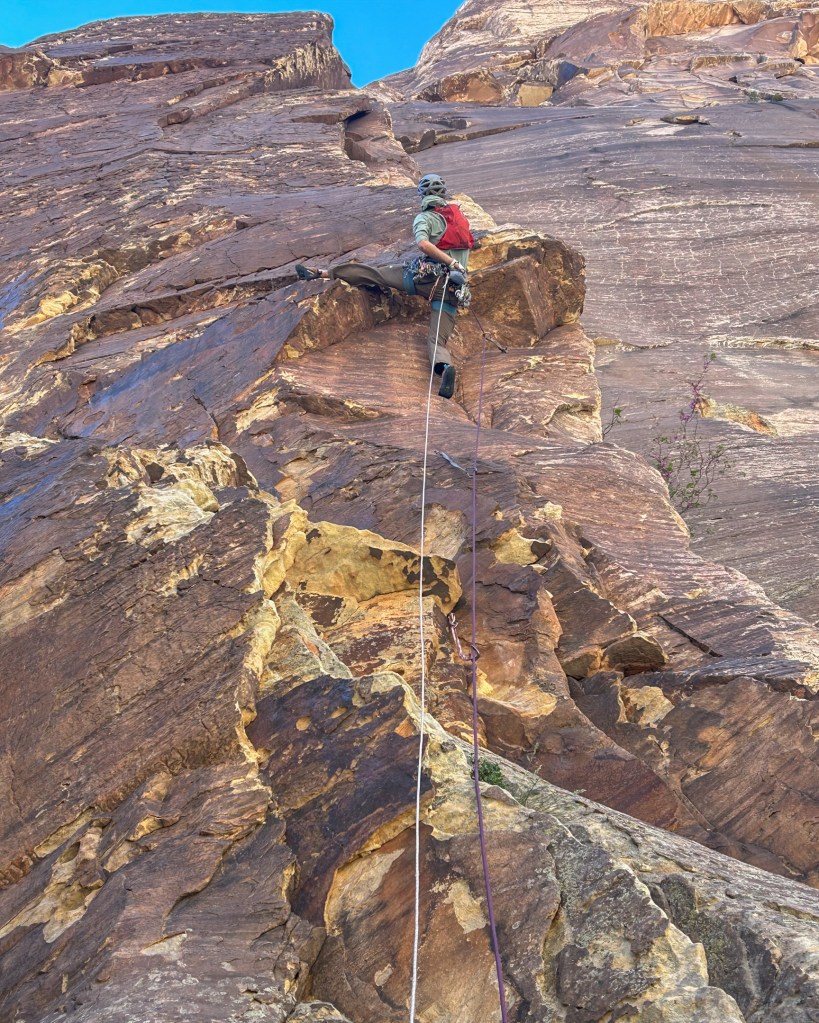
The first arete pitch – pitch three – is the crux, with six well spaced bolts leading through a small roof to a hidden hand crack behind a massive flake. After pulling the roof and clipping a few bolts on the arete, I struggled to find the next and presumed it out of sight. Intuitively, I ventured onto the generously featured face left of the arete, but quickly met runout climbing on exfoliating rock. Several tense sequences of three-points-on climbing led to a horizontal break where I got my first good protection in twenty feet, a deep #4 Red Metolius. At this point, still unable to see any bolts and surrounded by flaky rock, I knew I was off route. Right on cue, while I made an emergency dash for the arete, a foothold the size of a pie plate snapped. Before I could comprehend my demise I was slumped on the rope, grateful for the Red Metolius that kept me from falling all the way to the Vegas Strip. Pendulum investigation revealed a line of sand colored bolts in tan rock on the right side of the arete. I clipped the nearest bolt, back cleaned the face, and onsighted the remainder of the pitch from a no-hands ledge above the roof. While this pitch – as well as a few to come – felt slightly contrived due to an abundance of larger holds on the face, it really was a memorable piece of climbing. The crux was an exposed rounded layback with ridiculous positioning on the knife’s edge, and the splitter hand crack behind a massive overhanging flake after bolt six was one of the more unique features we’d ever climbed. For how hard I worked to get this 120 feet done, I was impressed to watch Bobbi scamper up with little resistance.
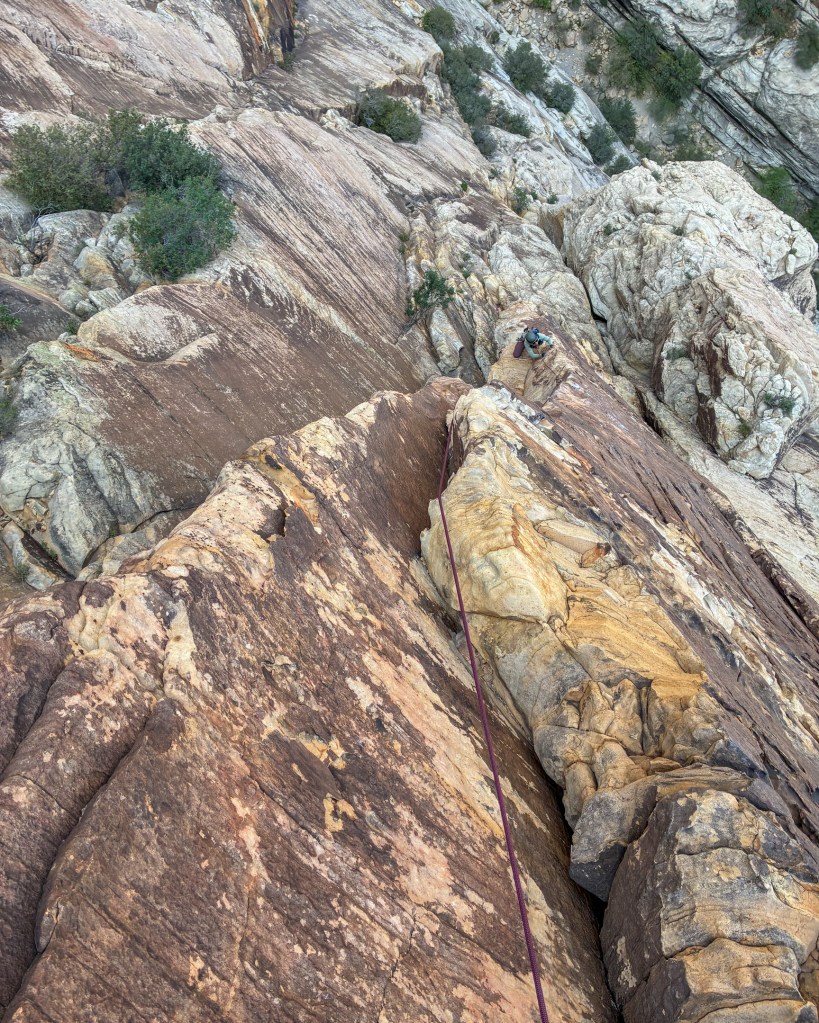
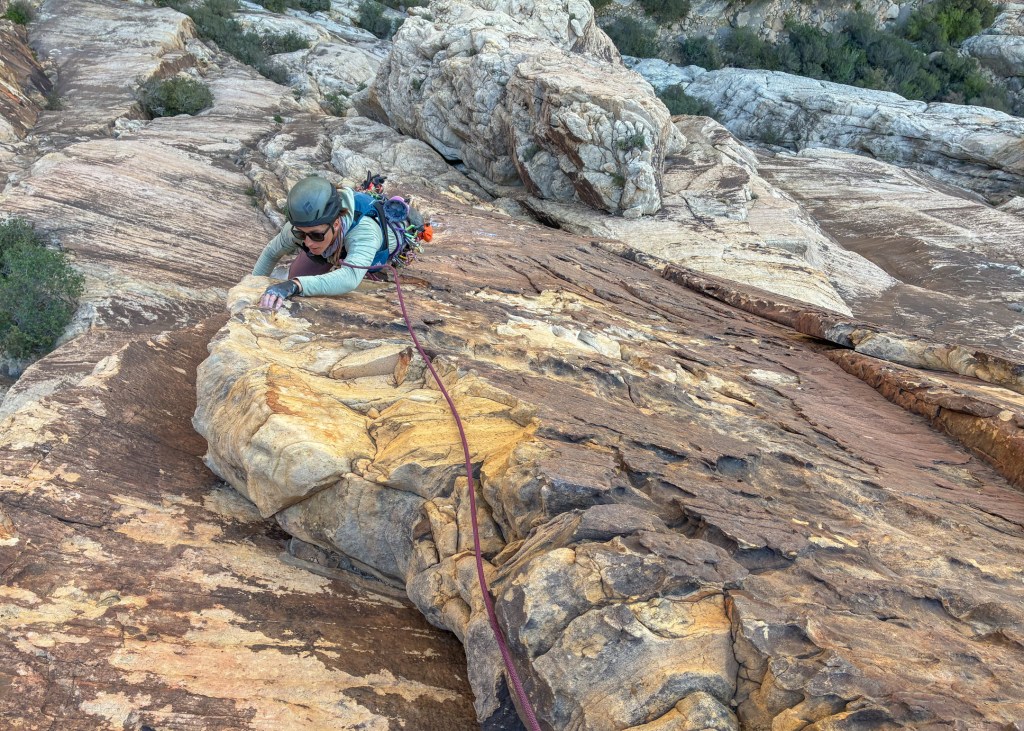
The second and third arete pitches, pitch four and five, were a complete departure from the quintessential Black Velvet style of crimping, edging and high stepping. Pitch four was a splitter finger crack in a tight varnished corner with a bouldery exit, and pitch five a much longer dance through two slippery 5.10 mantles, eventually swinging onto the face for some easier runout face climbing. Much like pitch three, pitch four felt a bit contrived. After clipping one of two protection bolts, it’s very easy to evade the crux at bolt two by swinging onto the face, ample chalk suggests this diversion is popular. After intuitively pulling this easier exit I downclimbed back into the corner to experience Norepinephrine’s original vision, only to pitch at the second bolt. We both thought this “5.10a” crux was harder than anything on the route, and I was frustrated to take another fall on a route well below my onsight ability. I licked my wounds by clipping the anchor and rolling straight through pitch five for a massive and memorable rope-length. A final 110 feet of Black Velvet plate hauling with heroic exposure took us to the top of Black Tower, amplified by an increasingly wicked wind. There’s few sensations like high stepping between vertical crimps while the breath of mother nature is trying to fling you into the afternoon sky.
Appreciate Ten Thousand Too Far? Support independent mountain journalism with $5.10 per month through Patreon (and receive extra bonus content), or with a one-time donation. Any and all support is greatly appreciated.
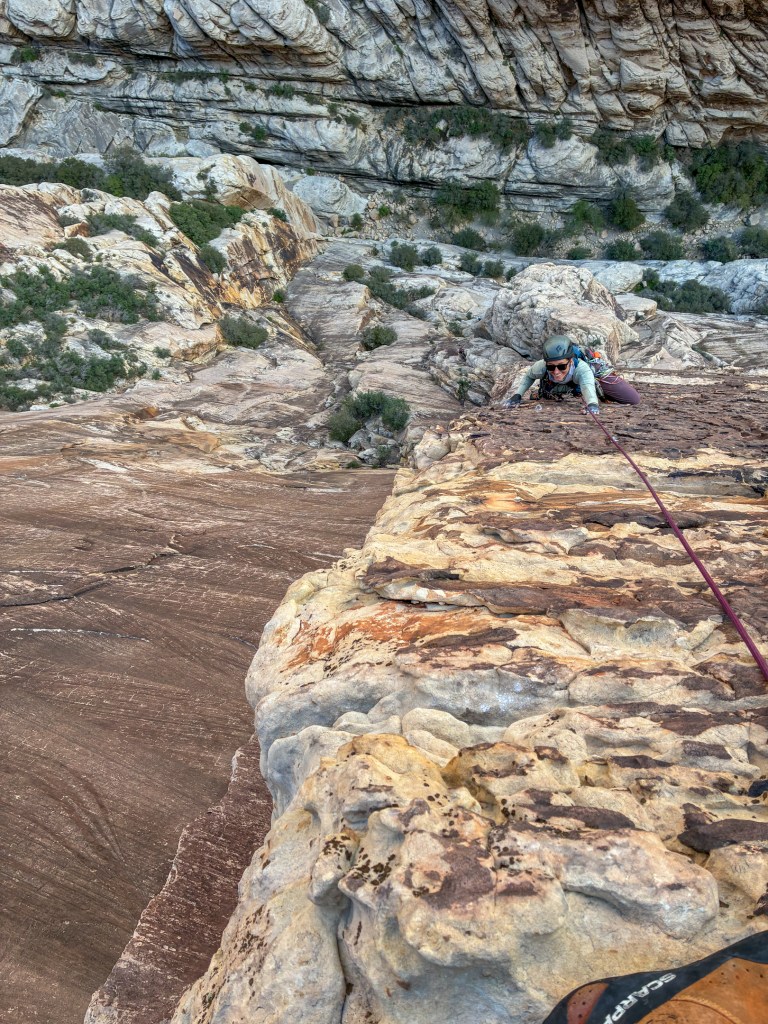
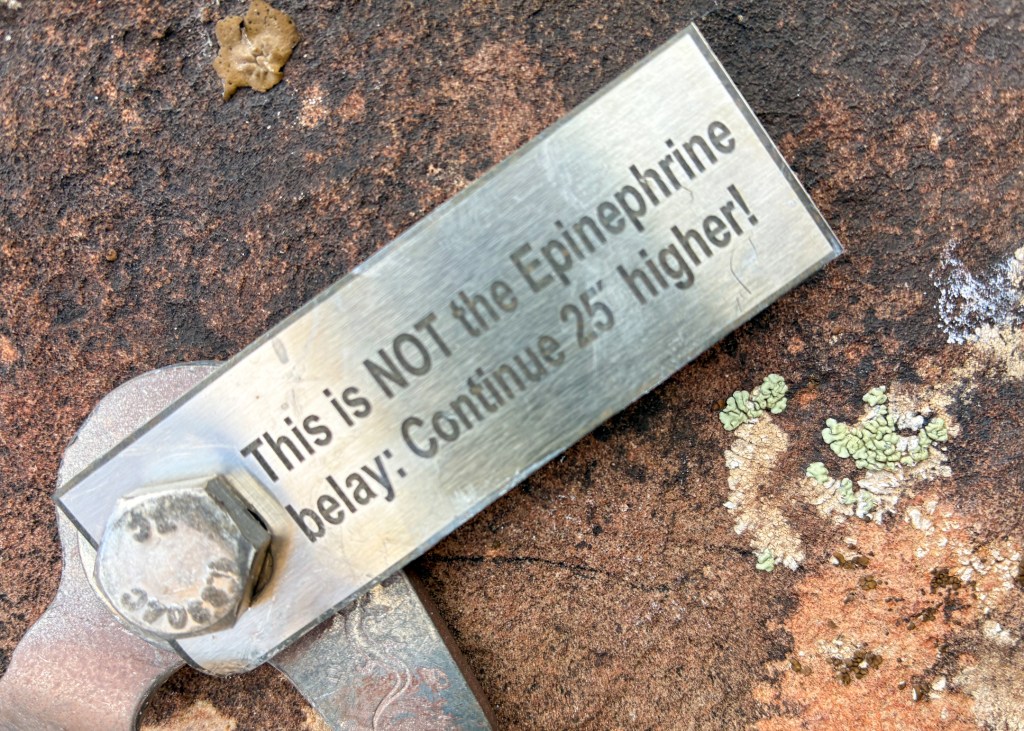
Though we brought two ropes to hasten our descent, we rappelled the entire route with a single 70M to minimize any chances of ropes getting stuck. Bobbi followed the entire route clean in expedient fashion, but was generous enough to let me redpoint pitch four on the descent. My only other fall was from getting off route and breaking a hold on pitch three, and because I resumed from a huge no-hands ledge I could’ve enjoyed a picnic on, far below the crux, I felt comfortable checking Norepinephrine off the list.
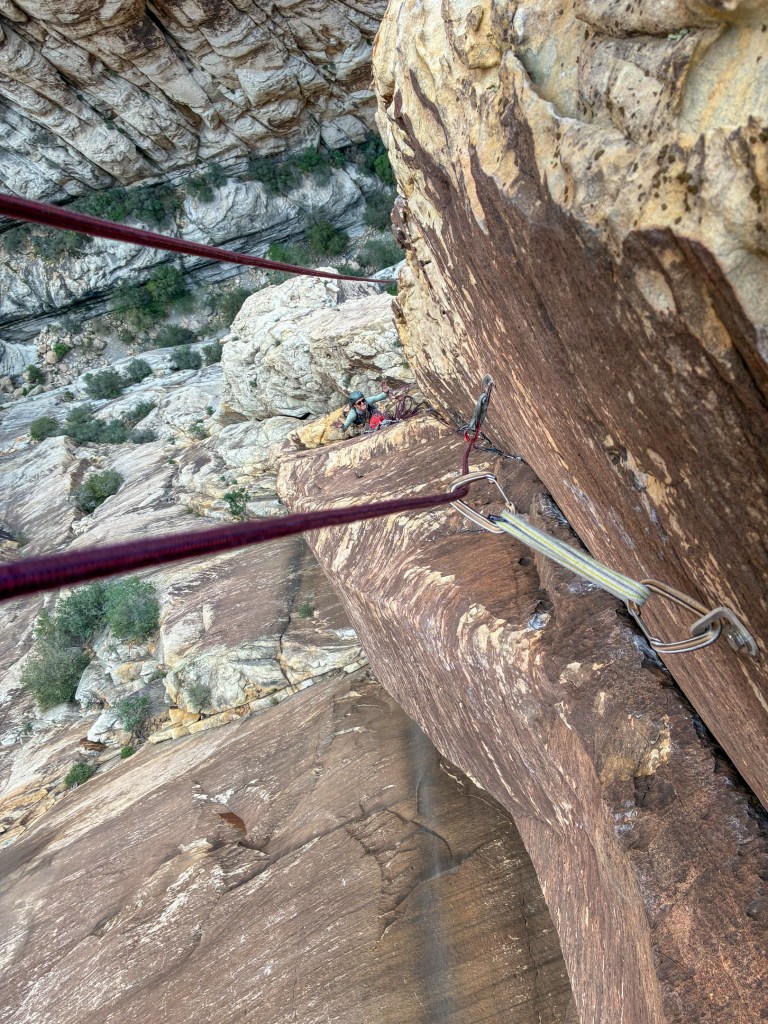
While this route will deservedly never reach the classic status of Epinephrine, Sour Mash or Dream Of Wild Turkeys, it’s still a worthy adventure as an uncrowded yet sustained 5.10 with more variety than the average Black Velvet outing. Norepinephrine is seldom really dangerous, but bolts are far enough apart to keep things exciting, and savviness with irregular traditional gear is requisite for the blanks. The only real detriment was the contrived nature of pitches four and five, the most egregious being pitch four. Realistically, the pitch should move left at the first bolt and earn the humble grade of 5.8. I find it difficult to focus on crux climbing with a more logical line of larger holds a body length away, but perhaps that’s a “me problem”. I can own it – we don’t sport climb much.
Want to support? Consider a donation, subscribe, check out my Patreon page, or simply support our sponsors listed below.
Ten Thousand Too Far is generously supported by Icelantic Skis from Golden Colorado, Range Meal Bars, The High Route, Black Diamond Equipment and Barrels & Bins Natural Market.



enter your email to subscribe to new article updates
DISCLAIMER
Ski mountaineering, rock climbing, ice climbing and all other forms of mountain recreation are inherently dangerous. Should you decide to attempt anything you read about in this article, you are doing so at your own risk! This article is written to the best possible level of accuracy and detail, but I am only human – information could be presented wrong. Furthermore, conditions in the mountains are subject to change at any time. Ten Thousand Too Far and Brandon Wanthal are not liable for any actions or repercussions acted upon or suffered from the result of this article’s reading.


Leave a Reply