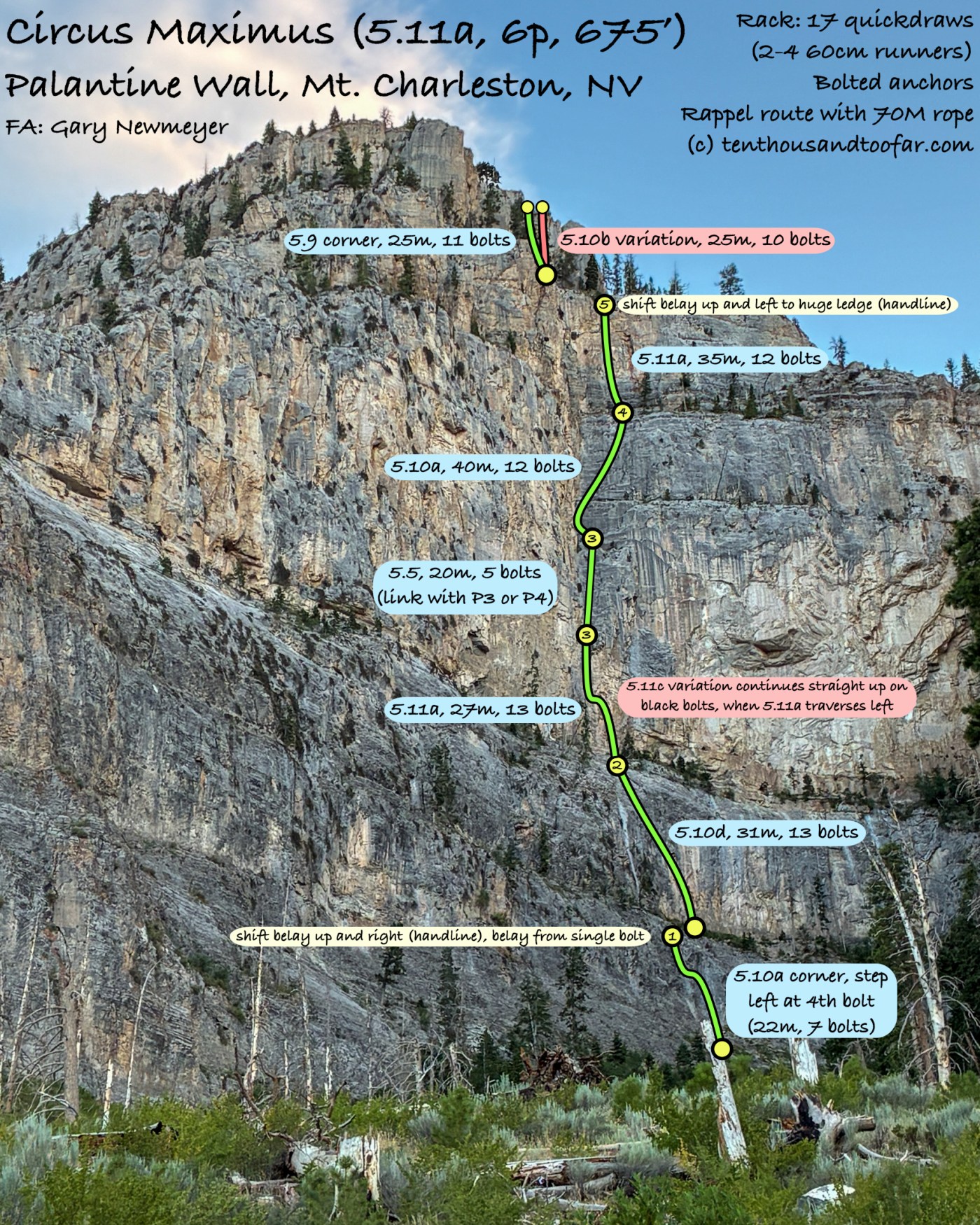
Circus Maximus offers six civilized pitches of high quality limestone sport climbing on the shady Palantine Wall of Mount Charleston. I first climbed the route with Jordan Mabrey, falling on two pitches. I returned a week later for a successful redpoint with the Alpine Peanut.
Following Jordan Mabrey and I’s ascent of The Zar Wall (5.11c, 9p, 900′), each of our first multi-pitch routes at Mount Charleston, we immediately sought more. The rock quality far surpassed expectation, temperatures were perfect, and the setting – high above the sleepy village and dense pine forests of Mount Charleston – couldn’t be beat. Unfortunately, The Zar is simultaneously at my limit and one of Charleston’s easiest long routes. Jordan can rage 5.13, but I can’t shake a stick at 5.11+. Even following, I had to pull through both of the thin 5.11c cruxes. One of my biggest qualms with climbing alongside significantly stronger partners is choosing adventures they still find stimulating. I don’t like holding people back. Only two other modern multi-pitch routes at Charleston are easier than 5.11c – Landscapes of the Heart (5.10d) and Circus Maximus (5.11a). The former faces southeast, receiving too much sunlight for summer. Luckily Jordan’s birthday was the following day, and as such a motivated buck does, he had an audacious Red Rocks plan involving eons of 5.12 rope-soloing on the Rainbow Wall. He suggested supporting me for an onsight attempt of Circus Maximus. I cautiously obliged, despite having never onsighted 5.11a in my life. Delivering two crux pitches of 5.11a, one pitch of hard 5.10d, and two pitches of 5.10a, I had less chance of onsighting Circus than a Desert Tortoise scaling Mount Everest. But with a over-capable partner willing to take reigns for any pitch, I’d be a fool not to try.
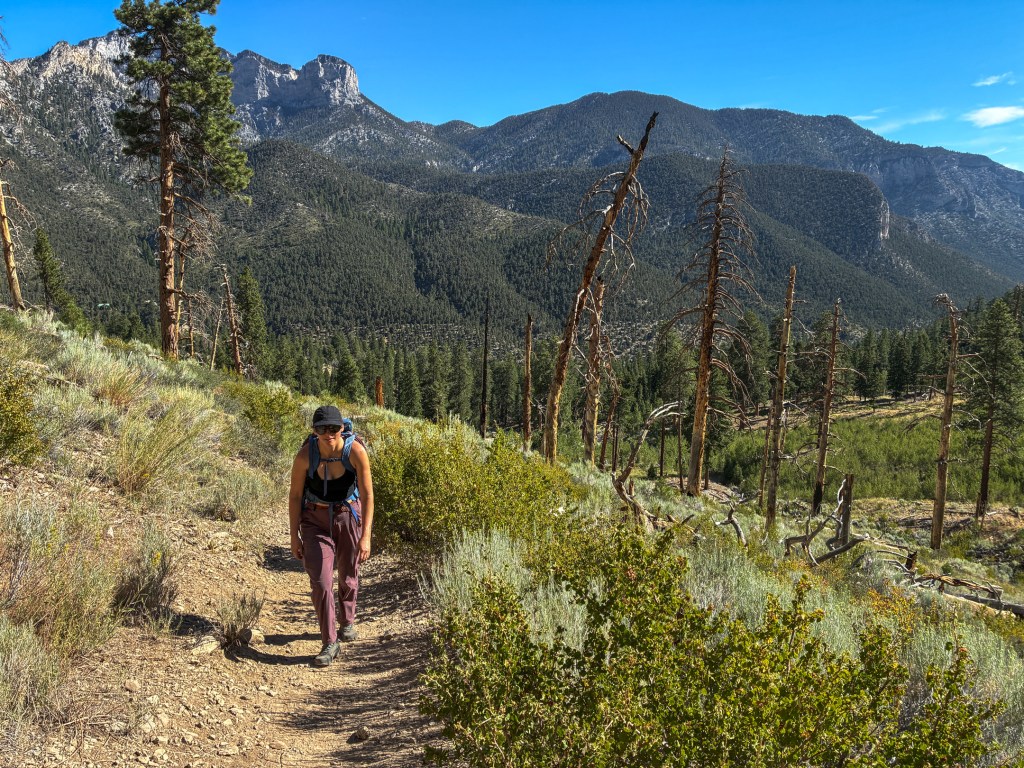
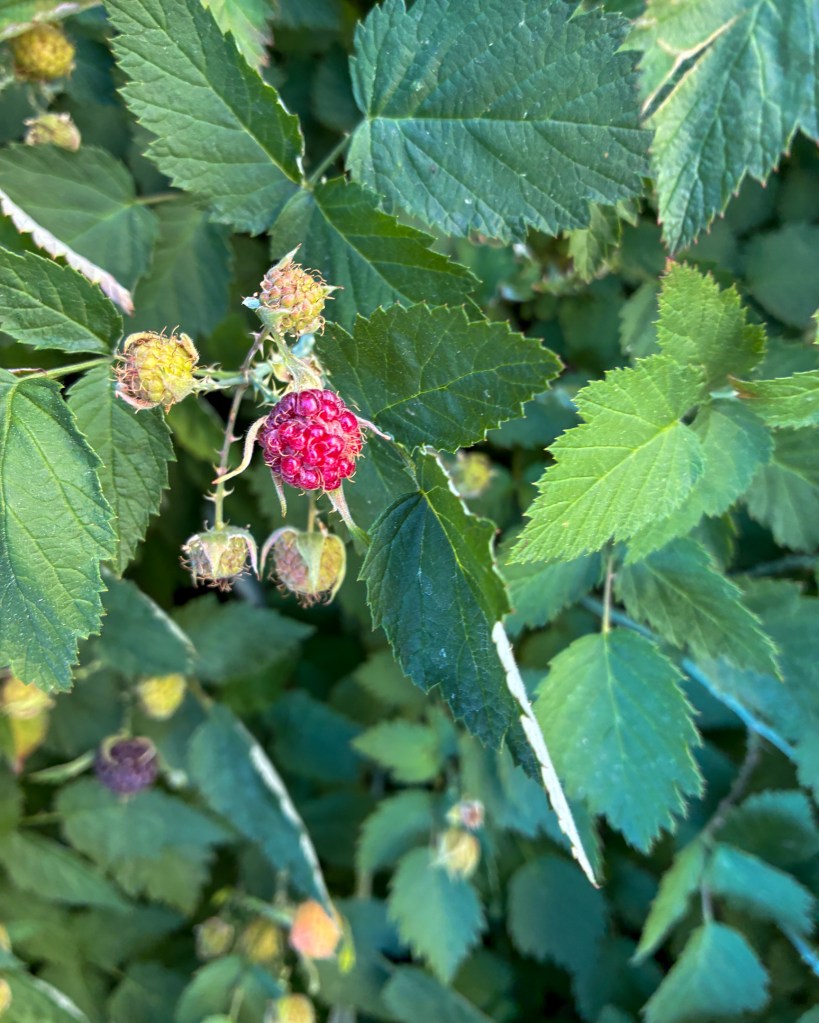
Circus Maximus tackles the obvious central weakness of the 700 foot Palantine Wall, the second hulking wall south of the Echo Cliffs parking area. Raspberry bushes carpet the approach slopes. Palantine Falls, known as the Vegas Hose Monster (WI5, 400’) when frozen by winter, provides an echoing ambient trickle through early summer. And despite ridiculously close proximity to the parking lot and hiking trail, you’ll seldom see other climbers. In direct opposition to the daily chaos of Las Vegas, this refreshing nook of Mount Charleston is peaceful – the perfect venue for a long vertical adventure. But despite the ambiance, I struggled to find my peace on the first two pitches. At 5.10a and mid 5.10, I was hoping for a progressive warmup to the harder 5.11 climbing above. I’m uncertain whether a 60 hour work week in the 122 degree Mojave Desert, poor sleep the night before, or a 3.5 hour commute delayed by police blockades for the Mount Charleston Craft Fair was to blame, but by bolt three on pitch one I was terminally pumped, yearning for Netflix and cookies more than spiky limestone. I thieved through pitch one on willpower alone, accompanied by embarrassingly imprecise footwork and uncharacteristic timidness, but quickly got spat off pitch two. I heaved to the belay after five lead falls in two different places. My excuse was having never climbed on “flowstone” – drippy volcanic limestone defined by strange sidepulls and rounded holds that are notoriously difficult to onsight – but truth told I was simply exhausted. When Jordan reached the belay and encouraged me to continue, as he always does, I nearly vommited. Whipping on warmup pitches isn’t an encouraging path to limit climbing.
Pitch three was my first attempt at leading 5.11a since last summer at Mount Charleston, and since then I’d sport climbed about five days. I’m a scrawny trad climber at heart, capable of big days, technical cracks, long runouts and dirty chimneys, but a total lummox at anything steep and crimpy. Nothing about the impending golden panel of vertical coral reef blocks looked reassuring. I surprised myself by squeaking through the steep entry climbing, but promptly whipped at the thin and devious crux traverse. In past years I would’ve blown my lid, wailing like a little boy who had to eat his broccoli. But today, for whatever reason, I felt even keeled and resigned to the experience. After a little puzzling and one more fall I unlocked the crux, freeing the remainder of the pitch. Unlike The Zar Wall, Circus Maximus has very tightly spaced bolts. Had I been taking proper wingers I may have quit on pitch two, but this seemed like a perfect growth opportunity to sample the next dimension in my climbing progression. Plus, I had already failed twice. The bar couldn’t have been lower, and Jordan was happy to continue following as long as I cared to blow out my forearms. We continue on.
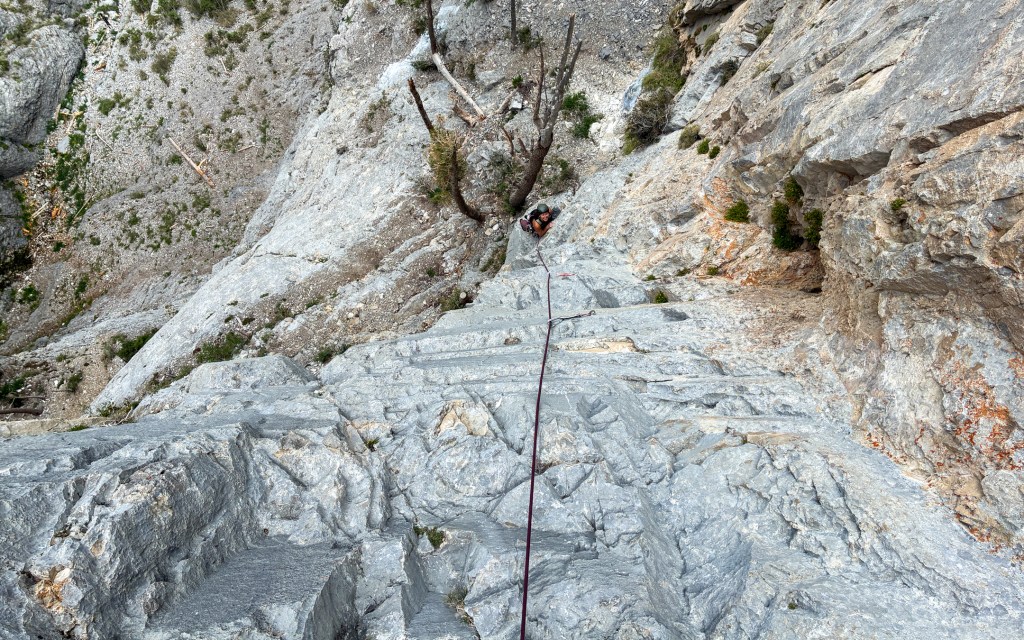
Pitch four was a beautiful terraced 5.10a slab on immaculate grey rock – an delightfully easy onsight – but I still hadn’t a fraction of the energy needed to attempt another 5.11a. I passed a fistful of quickdraws to Jordan, but much like pitch three, he nudged me to proceed. As I clambered up easy terrain to the obvious crux, two overhanging and overlapping flakes at the precipice diving board of the Palantine Wall, I knew failure was certain. Then I blacked out. And then I was at the belay, with my first ever 5.11a onsight bagged. Managing to lead this pitch, complete with a tenuous sequence on two finger crimps and a dynamic throw to a horn from an overhanging undercling, was a surreal experience unfit for words. On the day I’ve never felt weaker, I managed the hardest and most unlikely onsight of my climbing career. A final pitch of 5.9 up a uniquely clean corner capped another “free as can be” day alongside a great friend. Of course, Jordan followed entirely free.
Appreciate Ten Thousand Too Far? Support independent mountain journalism with $5.10 per month through Patreon (and receive extra bonus content), or with a one-time donation. Any and all support is wonderful.
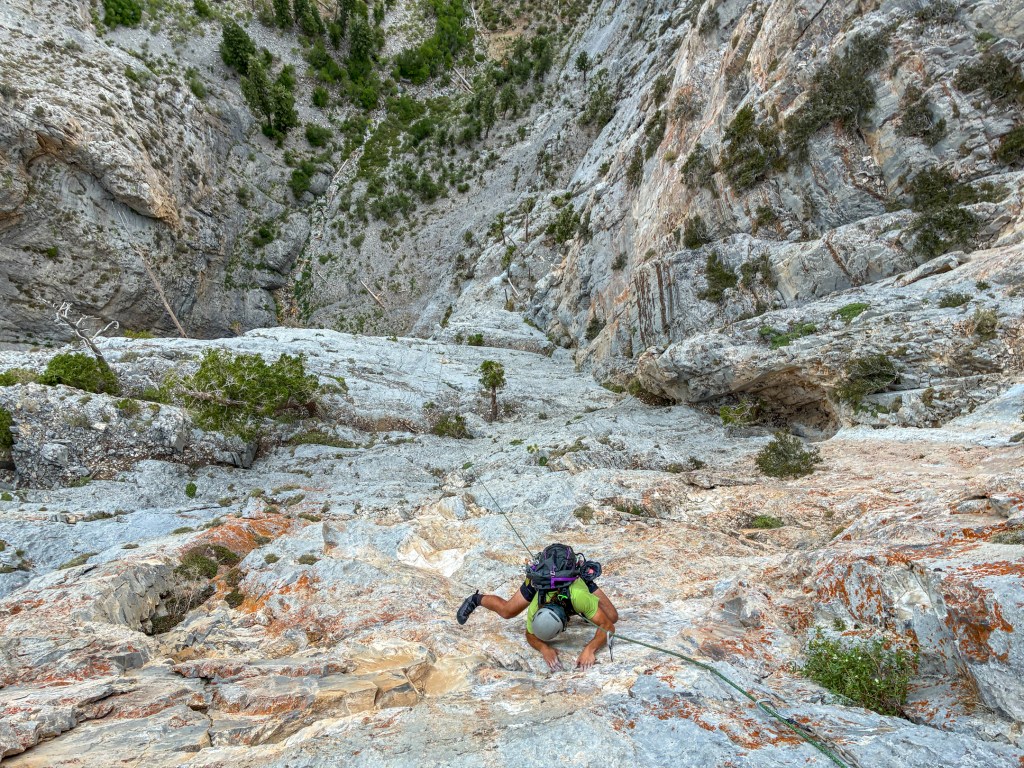
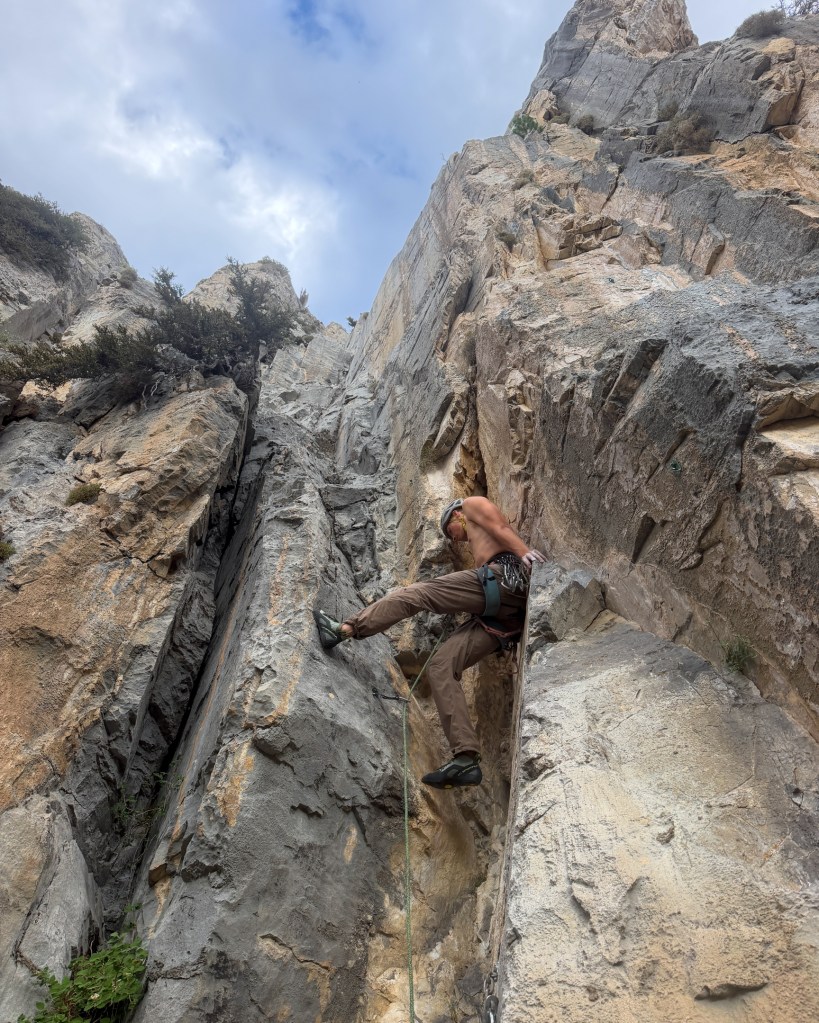
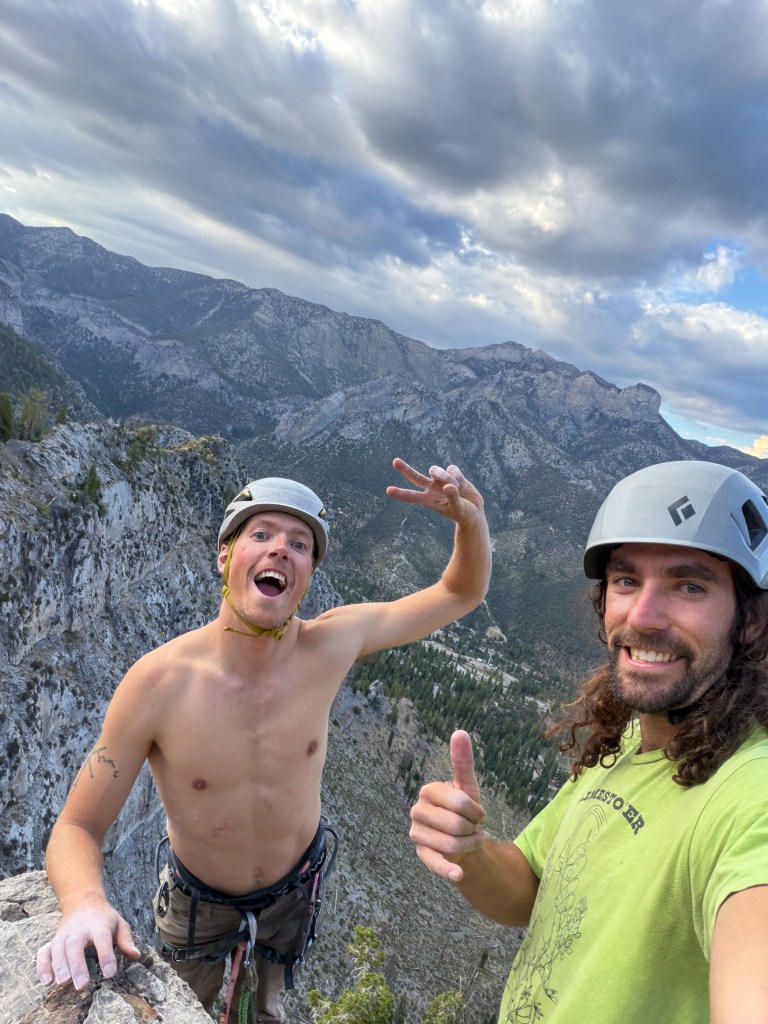
The following week I returned to Circus Maximus with my life partner Bobbi Clemmer. She was keen to explore multi-pitch limestone at the limit of her ability. I feared I wasn’t ready to return, but as mentioned in the first paragraph, we hadn’t an easier choice. With better rest, chalked holds and first hand beta, I managed a first try redpoint of the entire route. Echoing my prior experience, I struggled most with the steep “5.10” second pitch. The absolutely stellar 5.11a third pitch fell comparatively easy. Shrouded in the armor of a previous successful onsight, pitch five dropped swimmingly. And as such, my season goal of leading a full 5.11a multi-pitch was complete. Someone pinch me.
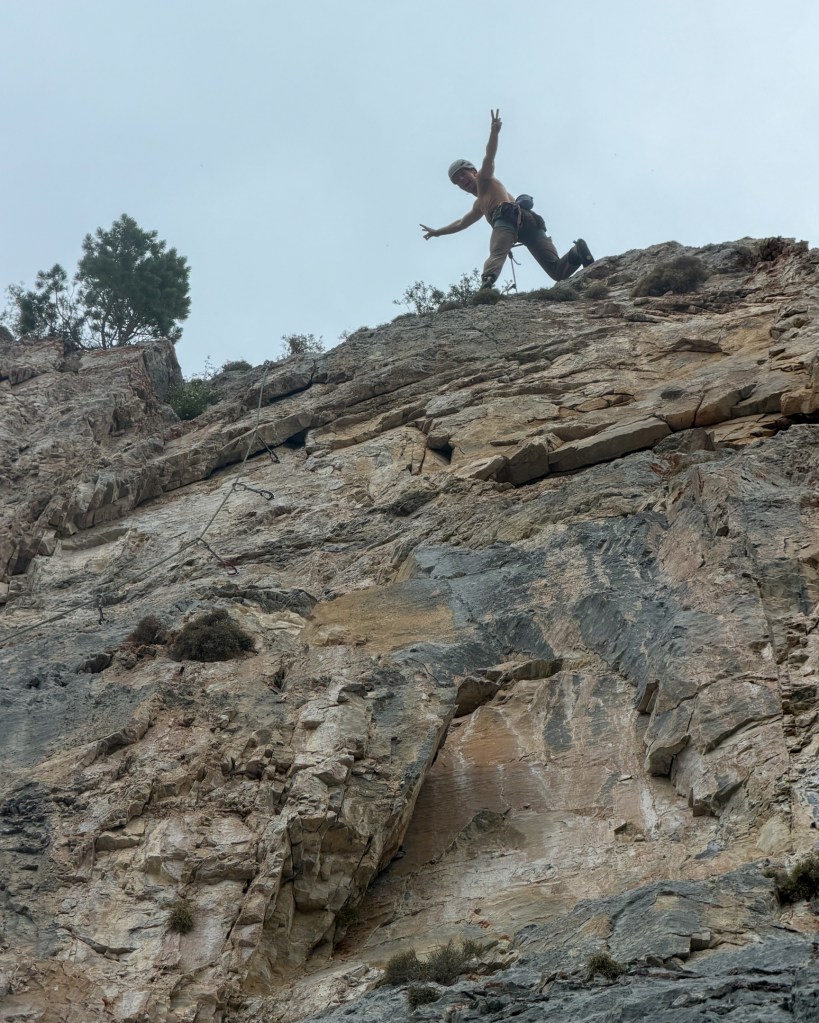
The primary lesson I learned from the previous three weekends on the Zar Wall and Circus Maximus is the value of lowering expectations. I’ve previously only climbed routes with realistic onsight potential. Between the Zar and Circus, I attempted more pitches of 5.11 than my previous six years climbing. Some pitches I got annihilated. Others I squeaked by. And still others I excelled. Through this rollercoaster of success and failure I broke down the mental barriers preventing maximum potential. As I carry through summer and into fall, I’m excited to welcome this strategy to future projects.
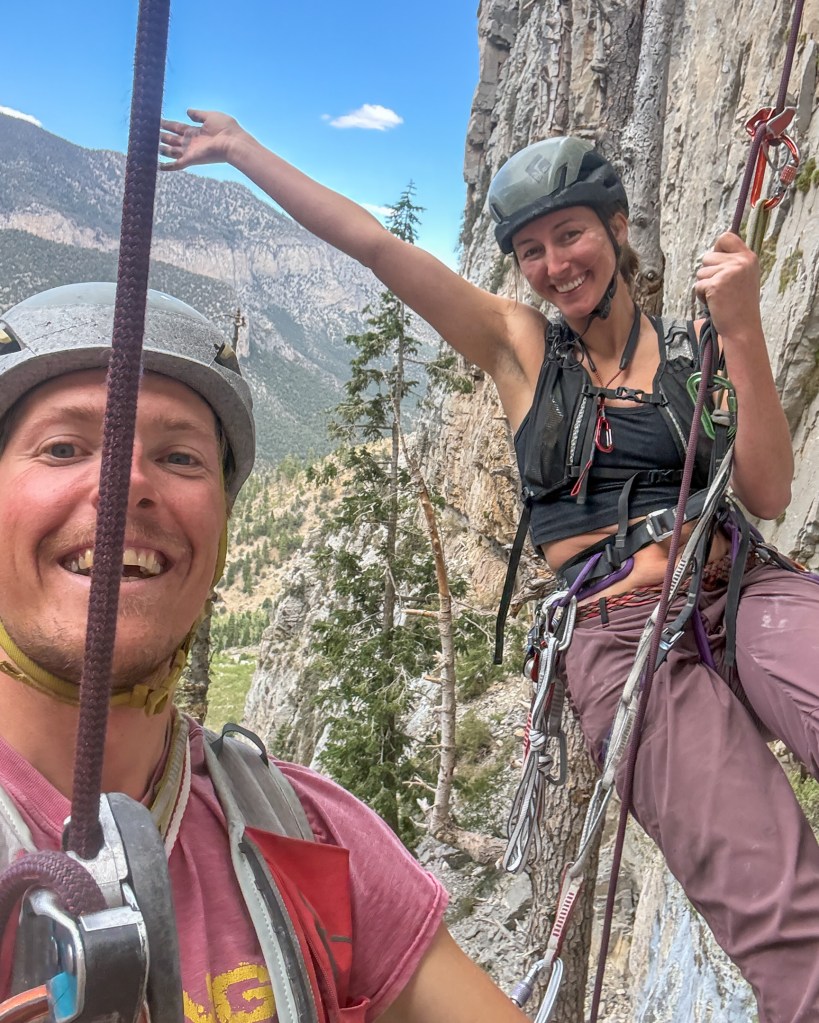
For aspiring climbers, Circus Maximus is an excellent and logical route on sound rock. The bolts are closely spaced, descent streamlined, and each 5.11a pitch is especially superb. Like any alpine limestone wall with annual winter precipitation, choss laced ledges exist and rockfall is a pertinent hazard. But attention to recent precipitation, experience navigating fragile rock, and mindful rappelling can result in a safe climbing experience. In my two days on Circus Maximus, I broke only one hold and trundled no rocks.
Want to support? Consider a donation, subscribe, check out my Patreon page, or simply support our sponsors listed below.
Ten Thousand Too Far is generously supported by Icelantic Skis from Golden Colorado, Range Meal Bars, The High Route, Black Diamond Equipment and Barrels & Bins Natural Market.



enter your email to subscribe to new article updates
DISCLAIMER
Ski mountaineering, rock climbing, ice climbing and all other forms of mountain recreation are inherently dangerous. Should you decide to attempt anything you read about in this article, you are doing so at your own risk! This article is written to the best possible level of accuracy and detail, but I am only human – information could be presented wrong. Furthermore, conditions in the mountains are subject to change at any time. Ten Thousand Too Far and Brandon Wanthal are not liable for any actions or repercussions acted upon or suffered from the result of this article’s reading.


Leave a comment